

Healthcare & Engineering Simulation

Mansim Healthcare Simulation Capabilities
From Healthcare Environment to Patient-Specific Engineering
1. Healthcare Facility
Hospital airflow · exhaust stacks · clean environments

Assess external dispersion, ventilation strategy and interactions between specialist healthcare environments.
2. Clinical Environment
Operating theatres · specialist suites · isolation spaces

Model airflow distribution, pressure control, clean zones, doors and occupancy.
3. Medical Device
Inhalers · surgical devices · cannulas · pumps
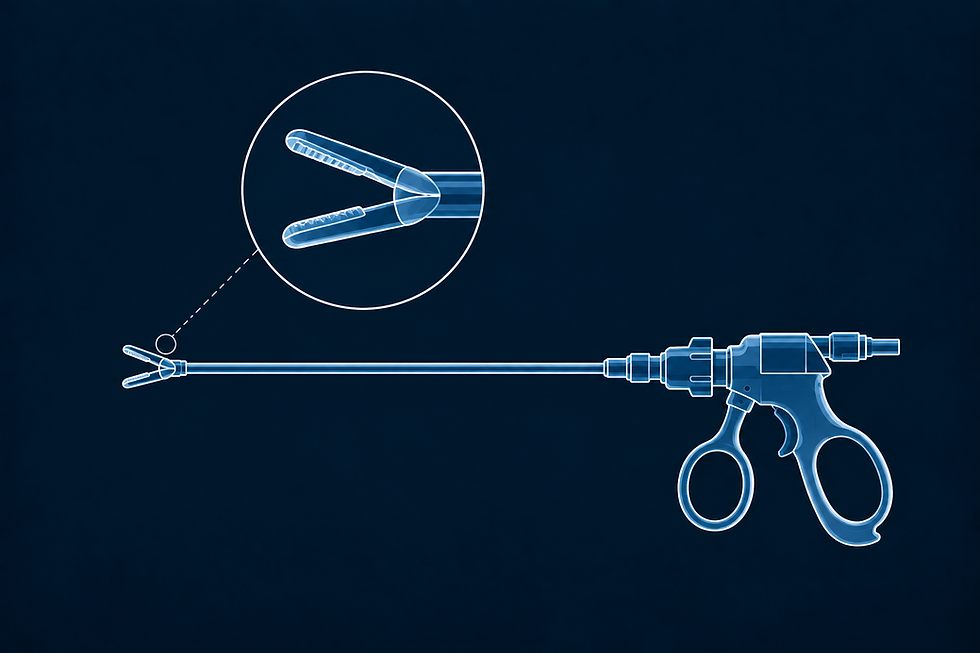
Resolve internal flow, pressure loss and device-specific performance.
4. Aerosol & Particle Delivery
Dose delivery · deposition · particle tracking · respiratory flow

Understand how particles move, deposit and interact with devices and breathing conditions.
5. Patient-Specific Biofluids
Cardiovascular flow · LVADs · vascular devices · haemodynamics

Use anatomical models to assess blood flow and device–patient interaction.
6. Optimisation & Validation
Design comparison · experimental validation · risk evidence

Convert simulation results into design recommendations and evidence for further testing or engineering review.

Related Expertise

Computational Fluid Dynamics

Energy & Thermal Modelling

Multiphysics Simulation


Standards & Regulatory Context

HTM 03-01
Specialised Ventilation for Healthcare Premises

ISO 14644
Cleanrooms and Controlled Environments
ISO 13485
Medical Device Quality Management
ISO 14971
Medical Device Risk Management

UK Medical Device Regulations
Frequently Asked Questions
Healthcare Simulation Projects


Discuss Your Healthcare Project
Tell us the engineering decision you need to make, the information you already have and the timescale you are working to. Your enquiry will be reviewed by a CFD engineer, who will acknowledge your enquiry within one working day and identify the most proportionate next step.

Mansim helps healthcare designers, engineering consultants, medical-device developers and research teams understand complex airflow, fluid, particle and thermal behaviour before decisions reach the clinical environment or physical prototype.
Our work spans hospital ventilation, operating theatres, controlled environments, medical devices, aerosol delivery and patient-specific cardiovascular flow. We combine computational fluid dynamics (CFD), multiphysics simulation, particle tracking and research-led numerical methods to support safer environments, better-performing products and evidence-based engineering decisions.


Healthcare Engineering Challenges
Controlling Airflow in Safety-Critical Environments
Operating theatres and specialist rooms depend on controlled airflow and pressure relationships. Poor distribution, recirculation or leakage can compromise ventilation performance.
Developing Better Medical Devices with Fewer Design Iterations
Simulation reveals internal flow, pressure and particle behaviour, helping improve device performance before repeated physical prototyping.
Understanding Complex Biological Flow
Cardiovascular and respiratory flows are highly three-dimensional and transient. Simulation helps identify recirculation, stagnation and device–flow interactions that measurements may miss.
Building Defensible Design and Risk Evidence
Simulation provides traceable engineering evidence to support design review, optimisation,experimental planning and risk-management activities.